
Adults Only

Eel Creek Campground, OR

$575

Future Dates TBD
“This course is not only technically rigorous and hands-on, there is a sense of community and connectedness, and the instructors are
top-notch. Actually, they are more than top-notch, they are world class. A wonderful experience.” -Matt Hunter
“This was a wonderful program that provided a wide variety of animal tracks, go through the process of identification, with very experienced trackers. A great experience being with like-minded people who care and
love nature.” -Amir Avishai
“Incredible professionally ran experience!” -E.
“This course is an excellent introduction to the art of tracking for those who have no experience, and a valuable workshop for those who have experience.” -Ted Young
Exploring the Patterns of Life in a Unique Landscape
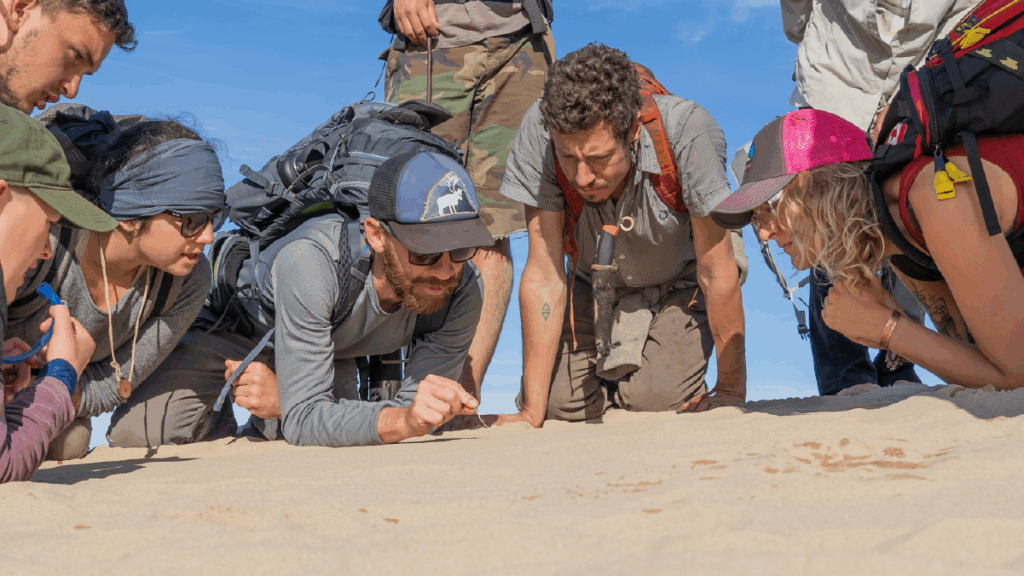
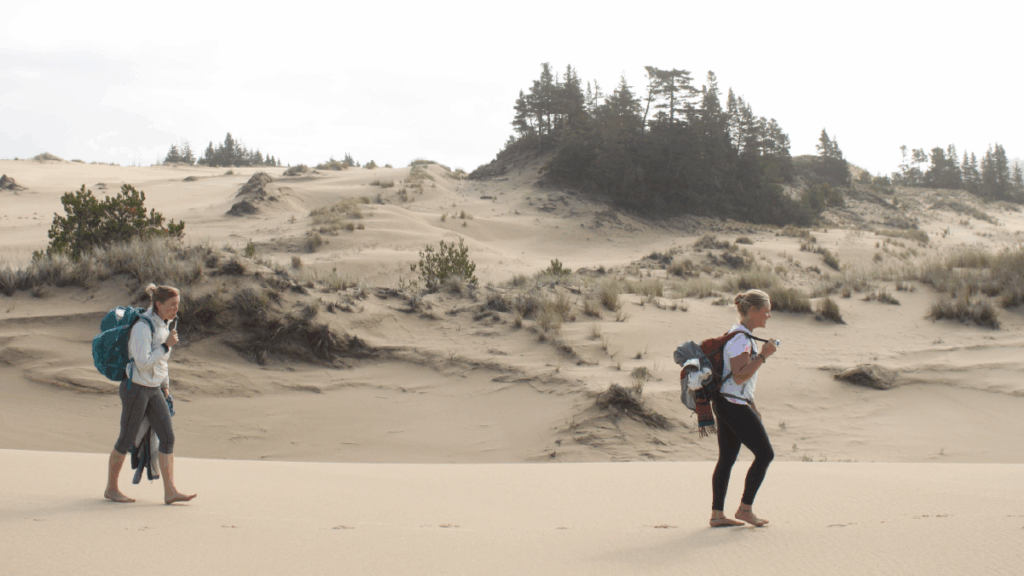
Experience the world-renowned Oregon Sand Dunes through the eyes of a tracker. Guided by leaders in the field, we are excited to team up with South Sound Nature School to offer this unique training in the art and science of wildlife tracking. This course is designed to serve students from diverse backgrounds and experience levels in naturalist studies and wildlife tracking.
Participants will learn about a wide range of wildlife and ecology, honing their knowledge and observation skills. Two different paths of participation will accommodate a range of skill sets, from beginners to advanced trackers. This three-day program will be followed by a certification and evaluation program, offered by Tracker Certification North America, which participants can sign up for separately. This certification is also suitable for beginning trackers.

Program Objectives
Participants will gain a combination of field experience and technical skills. Students will walk away with:
- A greater knowledge of place, increased ability to read the landscape, and a stronger sense of belonging in the natural world.
- Strong technical skills in the art and science of wildlife tracking.
- An understanding of the different ways wildlife tracking is being applied across the globe.
Whether you are a professional in the environmental sciences, conservation, or outdoor education, or simply an amateur nature lover who is curious about the world, this program will provide you with a rich educational experience with a group of eager learners and inspired naturalists.
Curriculum
While any wildlife tracking course can evolve with what the landscape provides, we will be covering some core tracking skills throughout the course. Core themes taught will include:
- Wildlife tracking foundations and frameworks*
- Clear print identification and foot morphology*
- How to use taxonomy as a learning tool*
- Animal gaits, locomotion, and track pattern interpretation
- Core concepts in ecological tracking and how animals use the landscape
- Fundamental trailing techniques
- Sign tracking and wildlife behavior
- Animal physiology and anatomy
*These three curriculum areas will be more central for those that are beginning their tracking journey
Program Logistics
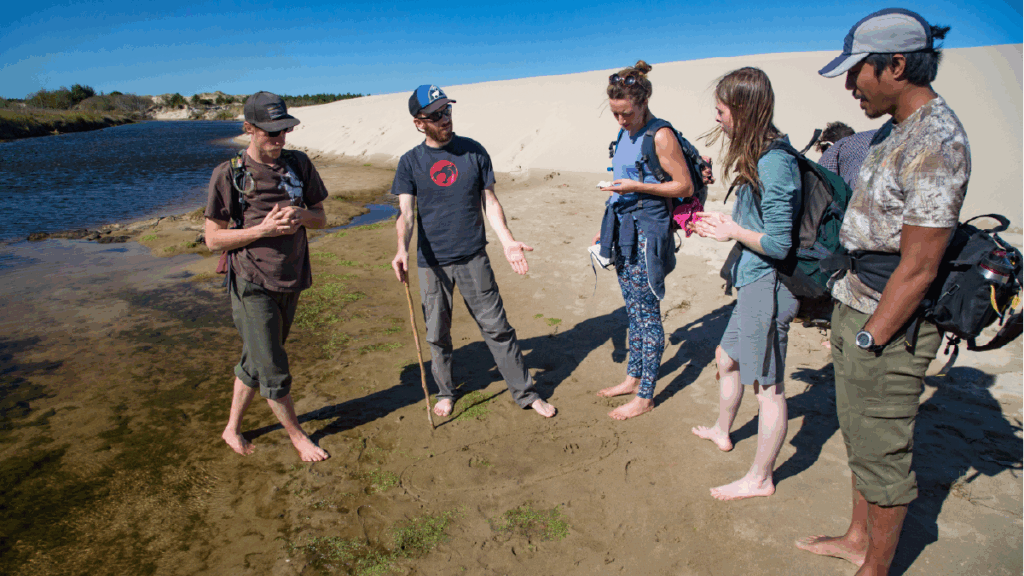
Class will run from 8am-4pm on Wednesday and Thursday, and 8am-2pm on Friday. Participants take care of their own food and campsites at Eel Creek campgrounds. WAS will provide our main group campsite for gathering and hanging out. There will be an optional evening fire/story time on Wednesday and Thursday.
Group size will be limited to 24 participants with an 8:1 student to teacher ratio. Field days will be in three smaller groups, and there will be some lecture, presentation, and daily reflection in the bigger group. The instructional staff will also be supported by an experienced group of Teaching Assistants.
Meet Your Instructors
Our teaching team for this program consists of three dedicated and highly experienced trackers, naturalists, and educators from the Pacific Northwest. Each of them have worked with Wilderness Awareness School in a variety of capacities while also working in a diverse array of educational and conservation projects across our region. This team of skilled educators will make this program an incredibly rich learning experience.
Lead Instructor: Marcus Reynerson
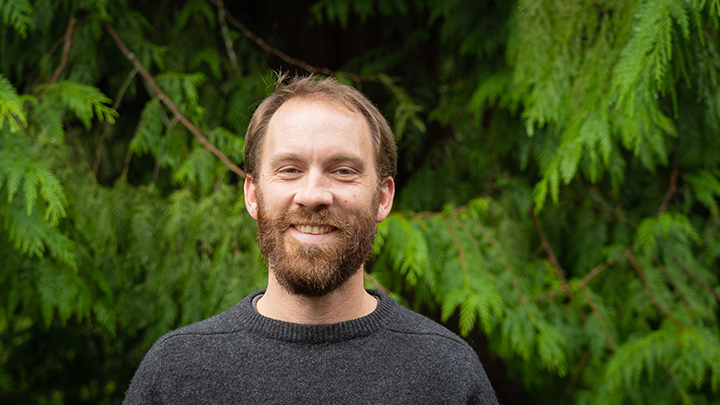
Marcus is a naturalist, educator, facilitator, aspiring photographer and filmmaker. He has worked in wilderness education, outdoor leadership, and conservation for numerous organizations and communities across North America, Europe, and Africa. Marcus currently lives splitting his time between the Snoqualmie Valley in Washington State, just east of Seattle and the Louisville, KY region. He served for 18 years as the Lead Instructor at The Immersion at Wilderness Awareness School, and he is currently an evaluator with CyberTracker Conservation and Tracker Certification North America, an organization dedicated to providing leading edge assessment and training in the art and science of wildlife tracking across the globe. Marcus also works with Tracking the Kalahari, a non-profit that facilitates trips to visit the CyberTracker Kalahari Master Tracker Project in Northeast Namibia. In much of his work, Marcus uses wildlife tracking as an access point to share the stories of the living world with others. He is currently traveling much of the year visiting communities, organizations agencies, and schools to run certifications for a diverse array of professionals in the environmental field who see wildlife tracking and field ecology as important to their work. He is also diligently working towards attaining his Senior Tracker Certificate through CyberTracker Conservation.
Instructor and Coordinator: Kevin O’Malley
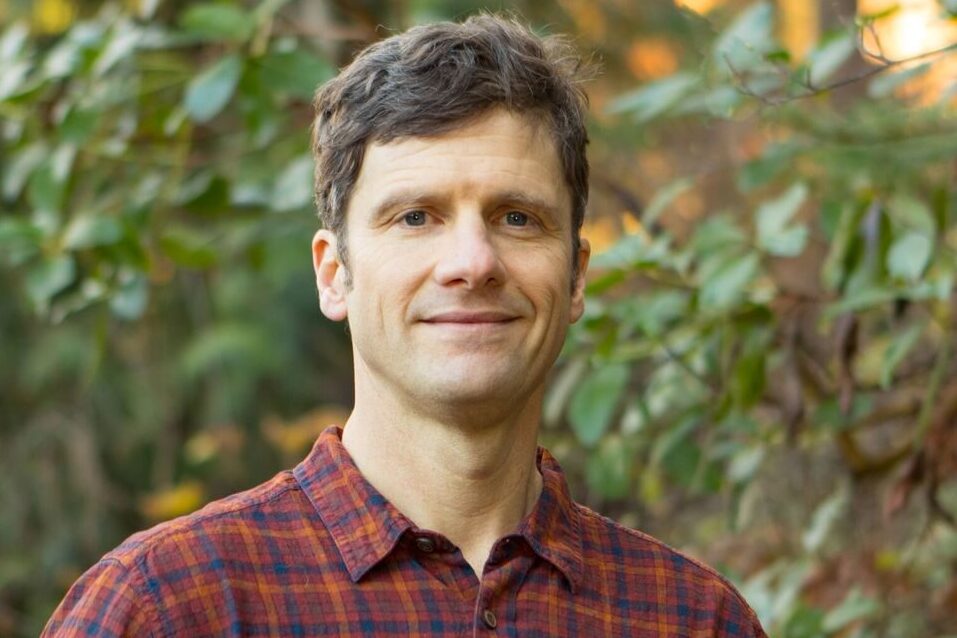
As a child Kevin spent countless hours exploring, observing, swimming, and fishing on the lands and waters of Lake Erie. Curious and thankful for the generations that came before us Kevin received a degree in Cultural Anthropology from the University of Toledo. Noticing a connection with his childhood and the next generation on kids, Kevin became a Naturalist-in-Residence for the Juneau School District. Wanting to deepen his naturalist training he completed the gratifying and strengthening, nine-month Immersion program at Wilderness Awareness School. During that time, he also completed the certification through Kamana Four, a self-directed three-year nature study program. From there he served as a freelance naturalist in various settings on the West Coast ultimately becoming the In-School Programs Specialist at Seward Park Audubon. He served as a Teaching Assistant for the renowned WAS Adult Tracking Intensive Program 2015-2018. He currently holds a Cybertracker Level 3 Wildlife Track and Sign and coordinates the Ellensburg Tracking Club. As the Lead Naturalist and Executive director of South Sound Nature School Kevin also teaches birding field classes across the state of Washington and served as the Education Chair of the Juneau Audubon Society for three years.
Instructor: Sara Lamar
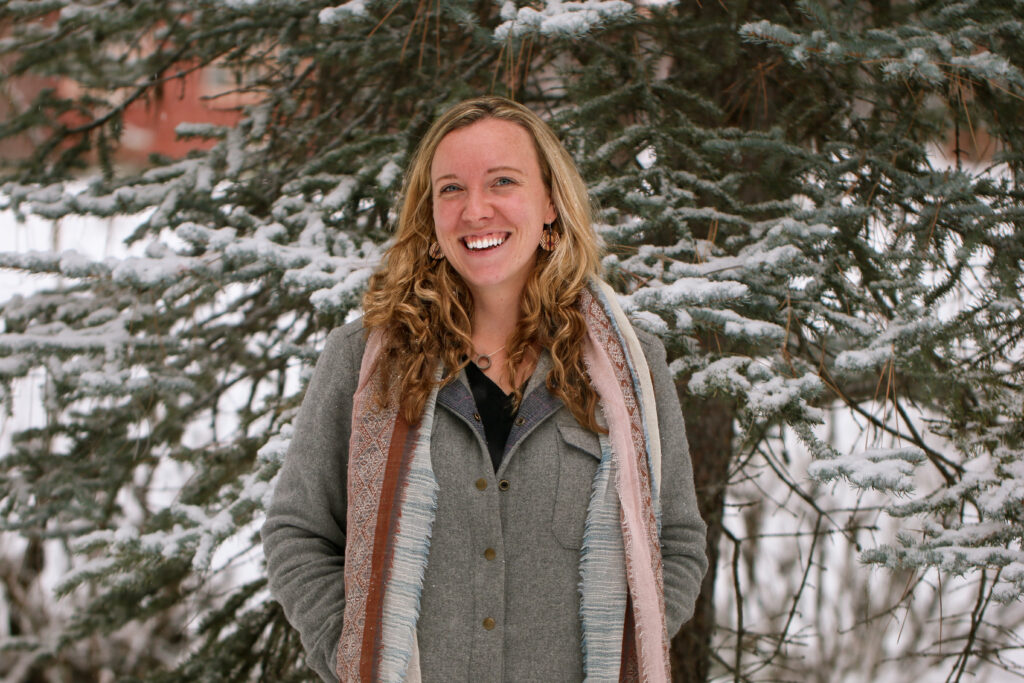
Sara grew up exploring the shores of the Long Island Sound before making her way west as a young adult and putting down roots in northwest Montana where she now serves as a Managing Director for Swan Valley Connections, a non-profit conservation, monitoring, and educational organization. She is deeply passionate about natural history, wildlife tracking, and helping people connect more meaningfully with the natural world. For more than a decade, Sara has studied and practiced wildlife tracking as a tool for understanding and monitoring wildlife. She holds a Specialist certification in Wildlife Tracks & Sign from Tracker Certification North America and continues to travel across the continent deepening her skillset with wildlife tracking.